A mark of a special place is one that continually nudges you, inviting you to learn more, and then never ceases to surprise you. Despite four years of following and three years of periodically visiting, I definitely don't know Haiti. I write from Santo Domingo, tomorrow going to spend my Spring Break week in Haiti, mostly PauP. A short time. A new time, hoping to build some relationships within the Haiti advocacy / human rights circles. Also will support and accompany some Haitian university students who are interested in this work, in hopes of beginning a sustained relationship. All of which is completely new to me, but I somehow sense that I should RSVP, again, to Haiti's invitation. Watch, listen, learn, be.
I like to remember my different entry points into any situation, and the emotions they evoke. It's good to remind myself of what changes, and what remains constant always.
Just over one year ago, I entered Haiti to pitch in at the Leogane field hospital. March 1 2010, I anxiously boarded my flight, having just stayed up all night in the Miami airport to answer emails and stew frenetically over the uncertainty of work that lay before me. I was so scared. Yet, over those following months, the people and situations I encountered surprised me in the most beautiful ways, beyond anything I could have imagined.
For tomorrow's entry, I'm not scared. Excited about being surprised, encountering something new in what is Haiti to me--the mystery and complexity, the persistent struggle, the Kompa music beat, the life of streets, the sadness, the spontaneous joy. The belief in freedom, that Neg Mawon p ap janm kraze.
Saturday, March 12, 2011


Tuesday, March 8, 2011
Do global health work in Liberia---please spread this opportunity!
Don't think I've written much about about this yet, but over the last year, I've felt privileged to work with a truly innovative Liberian organization called Tiyatien Health. Founded by survivors of Liberia's civil war, TH partners with local communities to provide care for HIV/AIDS and other chronic diseases. Through a core network of paid community health workers, "accompaniers," TH both treats these complex diseases, and addresses the root issues of poverty and dis-empowerment that perpetuate illness. Some of you friends voted for TH in an online Changemakers competition last year, and we won!
For more info, see here and here
TH is recruiting for two exciting positions: an HIV/AIDS Capacity Building Officer, and a National Health Policy Advisor. Both are 1-year volunteer positions, based in Liberia. RECRUITING NOW. Would be most grateful for sharing this among circles of potentially interested people. Thanks!
Here's the National Health Policy Advisor job description and contact info:
Tiyatien Health National Health Policy Advisor RFA_v1(2)
And the HIV/AIDS Capacity Building Officer one:
HIV_AIDS Capacity Building Officer_v2
For more info, see here and here
TH is recruiting for two exciting positions: an HIV/AIDS Capacity Building Officer, and a National Health Policy Advisor. Both are 1-year volunteer positions, based in Liberia. RECRUITING NOW. Would be most grateful for sharing this among circles of potentially interested people. Thanks!
Here's the National Health Policy Advisor job description and contact info:
Tiyatien Health National Health Policy Advisor RFA_v1(2)
And the HIV/AIDS Capacity Building Officer one:
HIV_AIDS Capacity Building Officer_v2
Saturday, March 5, 2011
Creating a Language
Five weeks back in med school. A few have wondered how I’m doing with the transition of meeting 130 new classmates and going back to basic science filling much of my mind [thank you for asking!]. To answer, I haven’t had much chance to think about it. We are moving SO fast. I feel like a car revving up RPMs, but unable to shift to an easier gear. Perhaps this inability to master any given topic is part of the hidden curriculum: teaching us about the inevitable powerlessness we will someday face in treating real disease... Anyway, I am struggling a lot to understand how a single organ system works, much less how they all jive together.
Despite the self-degrading overwhelmingness and need to titrate much caffeine for bare minimum function, I do understand one thing: we are not so much learning things as we are learning a way to talk about things. And that entry into a new way of speaking… it’s thrilling.
Today, I can at least talk about lung compliance and blood volume status. Couldn't do that a year ago. And, because of “extra” experiences—an awesome global health elective, a rockstar conferences on global non-communicable diseases...—I am expanding my diction beyond the basic science, to articulating a burden of disease and specific (sometimes controversial, often unproven) strategies to keep people well. I don’t know a single aspect of these things in any depth—probably much less depth than my physiology professor will expect for next week’s exam—but I am at least starting to learn a new way of speaking, and someday acting on my words. I am learning a language.
I had a conversation last week that got me thinking about language. We were talking about the discourse of global health as compared to the discourse of spiritually-grounded medicine. Typically, those are different conversations.
Global health people, such as the esteemed participants of last week’s conference, talk freely about community-grounded solidarity and human rights frameworks…systems solutions that translate to clear, deliverable health outcomes. Humanistic medicine people talk about the way illness “disturbs a soul” (as Daniel Sulmasy writes), and the privilege of healthcare providers encountering a patient’s suffering, and sometimes healing... though not always in the obvious ways. Panning away from health alone, Notre Dame made me much familiar with the most personal aspects of social justice—that we must intentionally sustain our own work, because we believe what Oscar Romero said, that “we are workers, not master builders...we are prophets of a future not our own.”
So, I wonder: might we find ways to merge those conversations? A rights-based solidarity approach, an appreciation for the spirit of people in health and illness, and an intentional long view that keeps us moving as individual members of a incomprehensibly grand whole...how do we talk about these ideas? I can think of a few common words—compassion, suffering with, momentum, focus, justice, trust, hope. Much remains to be said.
So, back in medical school, I am learning a browbeatingly difficult language. Wish me luck. Perhaps I might also help create a language.
Despite the self-degrading overwhelmingness and need to titrate much caffeine for bare minimum function, I do understand one thing: we are not so much learning things as we are learning a way to talk about things. And that entry into a new way of speaking… it’s thrilling.
Today, I can at least talk about lung compliance and blood volume status. Couldn't do that a year ago. And, because of “extra” experiences—an awesome global health elective, a rockstar conferences on global non-communicable diseases...—I am expanding my diction beyond the basic science, to articulating a burden of disease and specific (sometimes controversial, often unproven) strategies to keep people well. I don’t know a single aspect of these things in any depth—probably much less depth than my physiology professor will expect for next week’s exam—but I am at least starting to learn a new way of speaking, and someday acting on my words. I am learning a language.
I had a conversation last week that got me thinking about language. We were talking about the discourse of global health as compared to the discourse of spiritually-grounded medicine. Typically, those are different conversations.
Global health people, such as the esteemed participants of last week’s conference, talk freely about community-grounded solidarity and human rights frameworks…systems solutions that translate to clear, deliverable health outcomes. Humanistic medicine people talk about the way illness “disturbs a soul” (as Daniel Sulmasy writes), and the privilege of healthcare providers encountering a patient’s suffering, and sometimes healing... though not always in the obvious ways. Panning away from health alone, Notre Dame made me much familiar with the most personal aspects of social justice—that we must intentionally sustain our own work, because we believe what Oscar Romero said, that “we are workers, not master builders...we are prophets of a future not our own.”
So, I wonder: might we find ways to merge those conversations? A rights-based solidarity approach, an appreciation for the spirit of people in health and illness, and an intentional long view that keeps us moving as individual members of a incomprehensibly grand whole...how do we talk about these ideas? I can think of a few common words—compassion, suffering with, momentum, focus, justice, trust, hope. Much remains to be said.
So, back in medical school, I am learning a browbeatingly difficult language. Wish me luck. Perhaps I might also help create a language.
Wednesday, January 12, 2011
From 'Anba' to 'Aba' and 'Kenbe La': We don't give up, ever
Rubble hasn't moved, but has again become a focal point. Before anything else, please look at these 15 photos and read this reflection from Let Haiti Live [the events come from a schedule I posted a few days ago]. Melinda writes more eloquently than anything I've read or could say below: about the way Haitians are sharing collective memory, and rising today from tarps & tents as they do each day. [So you can stop reading now, having gathered the real point. Or perhaps follow a little more...]
I. "Anba": means 'under', as 230,000 people were crushed by concrete a year ago today, and millions who survived were cruelly shaken from their lives' foundations. How could we imagine? My hands shake as I type right now, feeling again that first night's sleepless vigil, and days of constant watching. We were there for Haiti. We cared, and responded.
Much happened. Groups like Partners in Health and many, many others did deliver lifesaving relief. I was privileged to accompany one of these incredible efforts through medical relief in Leogane. Haitians helped their neighbors from 'anba dekombe' to receive medical care, and start a precarious new day-to-day existence.
Much hasn't happened. One year later and more than 1 million still keep their families under tents or tarps in camps with inhumane lack of sanitation or other basic services. Only 38 percent of money raised by NGOs has been spent. The Huffington Post did some neat work tracking this. Fully half of American households donated, and we deserve accountability on our generosity. Our Haitian neighbors also deserve this accountability.
The International Office of Migration reports a 31 percent decrease since July in the number of people living in displacement camps. A success, notes the report, that victims are finding their own housing solutions and "getting on with their lives"... but IOM fails to mention that 29 percent of camps have been forcibly evicted, despite such eviction violating both Haitian and international humanitarian law. A solution? People who leave camps are NOT going to better places.
Cholera was a threat from the outset. One week post-quake, I remember my churning stomach as I read the first speculations of major infectious disease compounding the crisis. And so it came. Last week, Ban Ki-Moon named an independent commission to investigate the potential source of the epidemic, since a likely candidate is a contingent of UN peacekeepers from Nepal who arrived just before the epidemic began, and whose base was expelling raw sewage into the river upstream of initial case appearances. The New England Journal of Medicine published a study last month showing the Haitian strain to be genetically most like those from South Asia.
The president of the international coordination for Medecins San Frontieres recently analyzed the lackluster response to the epidemic, writing in The Guardian (and this assessment applies in other sectors): "Co-ordination of aid organisations may sound good to government donors seeking political influence. In Haiti, though, the system is legitimizing NGOs that claim responsibility for health, sanitation or other areas in a specific zone, but then do not have the capacity or know-how to carry out the necessary work. As a result, people's needs go unmet."
Which leads to...
II. "Aba": 'down with', frequently found as a first word on protest signs and graffiti. The discontent runs deep. Haiti won freedom 207 years ago in the world's only successful slave rebellion, defeating Napoleon. But they still are not free. Watching the terrible PBS Frontline "Battle for Haiti" tonight (really, quite awful), I realized how easy it would be to think of Haiti as a sick & savage land whose people prey on their own. No. Haitians dig each other out of rubble and carry each other to cholera treatment centers, saving their own. The savagery is orchestrated in international boardrooms, actually.
People talk about "discontent" and "civil unrest" among the population, with a spike of mainstream media coverage last month on the protests. No kidding. Their country is ruled not only by the aforementioned "Republic of NGOs" who are held to no real accountability. But also, all official rebuilding projects (and the $5 billion pledged for these by int'l donors) are administered through the Interim Haiti Reconstruction Commission, which has met only a handful of times since its March formation. Foreign members include relevant donor entities (IMF, World Bank, etc). Yet, Haitian members of the IHRC recently published a scathing complaint they are pointedly excluded from discussion by the foreigners, and even physically denies a seat at the table.
And the elections? Predictable. Listening to Voice of America Creole radio this summer, I learned of the exclusive and unfair electoral preparation, and talk of boycott. Low turnout plus clear fraud means the process could not be considered democratic on any other planet, much less 21st century self-determining Earth. See CEPR's report here for a few numbers, and here on how the international community is likely to accept the results anyway.
Yep, if it were my country and my entire chance at an optimistic future, I'd be pretty ticked off, too. 'Aba' is not unreasonable. It is not uncivil.
It is also progressive with a hopeful spirit...
III. "Kenbe la": 'hang in there'...see those most important first links above. People in desperate, excruciatingly unending crises still talk. Still share collective memory. Still emerge from tarps and tents each morning. Still work together.
This week, one year ago, I did not sleep. Because I couldn't believe what was happening; and I still sometimes toss & turn, angry at such undeserved cruelty. Friends in Haiti still living in tents must be angry, too, but they are also taking progressive steps of advocacy & action. We can support them. Men anpil, chay pa lou. When hands are many, the burden is light.
Let Haiti Live has posted a compilation of further analyses, FYI.
4:53PM EST on January 12. I've heard that for 35 seconds, bells all over (including at Notre Dame) will toll to mark the shaking.
I believe that action, life, comes from emotion. So I think I will simply allow myself to feel. To honestly, profoundly...hurt. Join me.
I. "Anba": means 'under', as 230,000 people were crushed by concrete a year ago today, and millions who survived were cruelly shaken from their lives' foundations. How could we imagine? My hands shake as I type right now, feeling again that first night's sleepless vigil, and days of constant watching. We were there for Haiti. We cared, and responded.
Much happened. Groups like Partners in Health and many, many others did deliver lifesaving relief. I was privileged to accompany one of these incredible efforts through medical relief in Leogane. Haitians helped their neighbors from 'anba dekombe' to receive medical care, and start a precarious new day-to-day existence.
Much hasn't happened. One year later and more than 1 million still keep their families under tents or tarps in camps with inhumane lack of sanitation or other basic services. Only 38 percent of money raised by NGOs has been spent. The Huffington Post did some neat work tracking this. Fully half of American households donated, and we deserve accountability on our generosity. Our Haitian neighbors also deserve this accountability.
The International Office of Migration reports a 31 percent decrease since July in the number of people living in displacement camps. A success, notes the report, that victims are finding their own housing solutions and "getting on with their lives"... but IOM fails to mention that 29 percent of camps have been forcibly evicted, despite such eviction violating both Haitian and international humanitarian law. A solution? People who leave camps are NOT going to better places.
Cholera was a threat from the outset. One week post-quake, I remember my churning stomach as I read the first speculations of major infectious disease compounding the crisis. And so it came. Last week, Ban Ki-Moon named an independent commission to investigate the potential source of the epidemic, since a likely candidate is a contingent of UN peacekeepers from Nepal who arrived just before the epidemic began, and whose base was expelling raw sewage into the river upstream of initial case appearances. The New England Journal of Medicine published a study last month showing the Haitian strain to be genetically most like those from South Asia.
The president of the international coordination for Medecins San Frontieres recently analyzed the lackluster response to the epidemic, writing in The Guardian (and this assessment applies in other sectors): "Co-ordination of aid organisations may sound good to government donors seeking political influence. In Haiti, though, the system is legitimizing NGOs that claim responsibility for health, sanitation or other areas in a specific zone, but then do not have the capacity or know-how to carry out the necessary work. As a result, people's needs go unmet."
Which leads to...
II. "Aba": 'down with', frequently found as a first word on protest signs and graffiti. The discontent runs deep. Haiti won freedom 207 years ago in the world's only successful slave rebellion, defeating Napoleon. But they still are not free. Watching the terrible PBS Frontline "Battle for Haiti" tonight (really, quite awful), I realized how easy it would be to think of Haiti as a sick & savage land whose people prey on their own. No. Haitians dig each other out of rubble and carry each other to cholera treatment centers, saving their own. The savagery is orchestrated in international boardrooms, actually.
People talk about "discontent" and "civil unrest" among the population, with a spike of mainstream media coverage last month on the protests. No kidding. Their country is ruled not only by the aforementioned "Republic of NGOs" who are held to no real accountability. But also, all official rebuilding projects (and the $5 billion pledged for these by int'l donors) are administered through the Interim Haiti Reconstruction Commission, which has met only a handful of times since its March formation. Foreign members include relevant donor entities (IMF, World Bank, etc). Yet, Haitian members of the IHRC recently published a scathing complaint they are pointedly excluded from discussion by the foreigners, and even physically denies a seat at the table.
And the elections? Predictable. Listening to Voice of America Creole radio this summer, I learned of the exclusive and unfair electoral preparation, and talk of boycott. Low turnout plus clear fraud means the process could not be considered democratic on any other planet, much less 21st century self-determining Earth. See CEPR's report here for a few numbers, and here on how the international community is likely to accept the results anyway.
Yep, if it were my country and my entire chance at an optimistic future, I'd be pretty ticked off, too. 'Aba' is not unreasonable. It is not uncivil.
It is also progressive with a hopeful spirit...
III. "Kenbe la": 'hang in there'...see those most important first links above. People in desperate, excruciatingly unending crises still talk. Still share collective memory. Still emerge from tarps and tents each morning. Still work together.
This week, one year ago, I did not sleep. Because I couldn't believe what was happening; and I still sometimes toss & turn, angry at such undeserved cruelty. Friends in Haiti still living in tents must be angry, too, but they are also taking progressive steps of advocacy & action. We can support them. Men anpil, chay pa lou. When hands are many, the burden is light.
Let Haiti Live has posted a compilation of further analyses, FYI.
4:53PM EST on January 12. I've heard that for 35 seconds, bells all over (including at Notre Dame) will toll to mark the shaking.
I believe that action, life, comes from emotion. So I think I will simply allow myself to feel. To honestly, profoundly...hurt. Join me.
Monday, January 10, 2011
A Misdiagnosis in Haiti
One of the under-covered Haiti stories, choosing from the current smorgasboard, involves removal of a top diplomat apparently because of his simple honesty. Brazilian Ricardo Seitenfus has a 17-year history of work in Haiti, and was serving as Special Representative for the Organization of American States (OAS). On December 20, Swiss newspaper Le Temps published an interview in which Seitenfus offered a pointed, yet logical critique of the international community's post-earthquake response. That same day, he was asked to take a vacation and has since been informed he will not resume his former post.
BBC Brazil and Huffington Post have run stories on this, though absent from other other media, and today Aljazeera published a new interview.
Some readers of this blog might know I'm now working with a group attempting to produce a comprehensive report on the presence and actions of the UN peacekeeping forces (MINUSTAH)--which has operated in Haiti since May 2004, on a budget of $865 million this year. We hope our research/advocacy effort can harmonize with a 10-month grassroots campaign against MINUSTAH's mandate renewal, led by the Haiti civil society organizations mentioned in my previous post.
Thus, I resonated with this comment from Seitenfus. How simple, really. One would think.
Aljazeera: "Your main criticism of the U.N.’s work in Haiti is that they put too much of a focus on security. Explain what you mean."
Seitenfus: "I believe the international system of prevention and solution of conflicts is not prepared to treat specific cases such as Haiti. Haiti is not a threat to international security. It is not a threat to regional security. It’s not a threat to Cuba or the Dominican Republic. Haiti doesn’t even have armed forces…. With relation to the UN, I ask myself if we’re not just fooling ourselves. Wouldn’t it be better if the counsel of social and economic development oversees Haiti and would have priority, instead of the council on security? Haiti is not a threat to international peace and security. Haiti is a threat to itself and its own people…The life of the Haitian people is hard. Especially after the earthquake. After the quake we have 1.5 million people that are still living under tents in the parks and in the streets. I imaged that after January 12, 2010, the world would not only show that extraordinary solidarity to help Haiti, but it would also say, ‘Let’s stop and think if we are not mis-diagnosing Haiti with wrong formulas.’ But no, we didn’t ask that question. What we did was to send more soldiers in. So I think Haiti is much more complicated and much more delicate and multifaceted than simply sending peace keeping forces of the UN to image that Haiti can be rescued from the situation. The presence of the military is contradictory and counter-intuitive with me without talking about the moral questions. With MINUSTAH (U.N. peacekeeping forces in Haiti), we spent $600 million dollars per year this year. $865 million dollars this year alone, I think. That is besides what every member of MINUSTAH spends. So I believe we need to do a balance sheet - an audit almost - to take stock of how we have advanced in this last 6 and half years and to make a new strategy with relation to Haiti. I think we fool ourselves with who the real enemy here. The enemy of Haiti is misery, is lack of hope, the lack of perspective, lack of work, lack of income. Not security.”
BBC Brazil and Huffington Post have run stories on this, though absent from other other media, and today Aljazeera published a new interview.
Some readers of this blog might know I'm now working with a group attempting to produce a comprehensive report on the presence and actions of the UN peacekeeping forces (MINUSTAH)--which has operated in Haiti since May 2004, on a budget of $865 million this year. We hope our research/advocacy effort can harmonize with a 10-month grassroots campaign against MINUSTAH's mandate renewal, led by the Haiti civil society organizations mentioned in my previous post.
Thus, I resonated with this comment from Seitenfus. How simple, really. One would think.
Aljazeera: "Your main criticism of the U.N.’s work in Haiti is that they put too much of a focus on security. Explain what you mean."
Seitenfus: "I believe the international system of prevention and solution of conflicts is not prepared to treat specific cases such as Haiti. Haiti is not a threat to international security. It is not a threat to regional security. It’s not a threat to Cuba or the Dominican Republic. Haiti doesn’t even have armed forces…. With relation to the UN, I ask myself if we’re not just fooling ourselves. Wouldn’t it be better if the counsel of social and economic development oversees Haiti and would have priority, instead of the council on security? Haiti is not a threat to international peace and security. Haiti is a threat to itself and its own people…The life of the Haitian people is hard. Especially after the earthquake. After the quake we have 1.5 million people that are still living under tents in the parks and in the streets. I imaged that after January 12, 2010, the world would not only show that extraordinary solidarity to help Haiti, but it would also say, ‘Let’s stop and think if we are not mis-diagnosing Haiti with wrong formulas.’ But no, we didn’t ask that question. What we did was to send more soldiers in. So I think Haiti is much more complicated and much more delicate and multifaceted than simply sending peace keeping forces of the UN to image that Haiti can be rescued from the situation. The presence of the military is contradictory and counter-intuitive with me without talking about the moral questions. With MINUSTAH (U.N. peacekeeping forces in Haiti), we spent $600 million dollars per year this year. $865 million dollars this year alone, I think. That is besides what every member of MINUSTAH spends. So I believe we need to do a balance sheet - an audit almost - to take stock of how we have advanced in this last 6 and half years and to make a new strategy with relation to Haiti. I think we fool ourselves with who the real enemy here. The enemy of Haiti is misery, is lack of hope, the lack of perspective, lack of work, lack of income. Not security.”
Saturday, January 8, 2011
Nou pa janm bliye: those who annually remember, and those who can never forget
Subscript of post title is "why I love Haiti"...read on to find out.
The deluge has started. As an anniversary approaches, the mainstream media is beginning its 'insightful' look at "Haiti: one year later." My daily newsfeed haunts are spiking from their baseline of independent/alternative press and policy analysis sites to include NYT, WashPo, NPR, BBC at greater concentration.
On this blog, I will offer a manageable digest of what I think are the salient points on the one-year mark...one year since 30-seconds of shaking marked arguably the worst natural disaster in recent history, in a place most vulnerable to such destruction. I promise to give a readable listing, for anyone who wants to turn off Anderson Cooper (nothing personal against the guy) and spend 30-minutes getting the real story. One time, 30 minutes. I hope there are a few of you folks out there...
In coordination with the anniversary, a number of Haitian-rooted advocacy groups are updating their investigative reports across the spectrum of calamities: IDP camp conditions, gender-based violence, ballot fraud, cholera, aid accountability etc... Another deluge, but of the pivotal "bearing witness" kind. I'll attempt to post links for these as well.
Understandably, given our busy lives, we can tune out this crisis and overlook its heightening intensity. Yet, 1 million people have been living in tents for one full year, and they cannot forget. Ever, not for even a second.
So, the most *important* message January 12, 2011 is what comes from these people. Instead of waiting passively for aid that is not coming, they have ORGANIZED. See below agenda (courtesy of original post in Bri Kouri Nouvèl Gaye), English translation not mine.
Haitian camp residents, civil society organizations, and other grassroots efforts have coordinated to produce a WEEK OF ACTIVITIES in the displacement camps themselves. Including a 45-panel photo exhibit, and critically analytical forums and discussions---these people are living their rights. Imagine trying to feed & care for your family, living in a wind-battered tent with no brighter prospects in the foreseeable future...and you still muster the energy to work together, to demand something better?
These people are my heroes. Their courage is why I love Haiti.
-----------------------------------
We Will Not Forget, The Struggle Has Just Begun
A Week of Activities to Mark One Year Since the Catastrophe of January 12, 2010
Initiative to Resist the Eviction of the Internally Displaced*
*Members of the Initiative/Supporters of the program include: Bri Kouri Nouvèl Gaye, Bureau des Avocats Internationaux, FRAKKA, Inivesite Popile, Asosyasyon Vwazen Solino (AVS), Batay Ouvriye, Camp Committees from Camp Imakile, Camp Kanaran, Camp Babankou, Camp Kozbami, International Action Ties, Let Haiti Live (a project of TransAfrica Forum)
January 5, 9am - 2pm
- Press conference to launch week of activities
January 8, 3-5pm
- Conference Debate and Photo Exhibition at Camp Imakile and Kozbami
THEME: The Struggle for Land and Right to Housing in the context of the application of the neoliberal political economy
Panelists: Patrice Florvilus (BAI), Camille Chalmers (PAPDA), Mark Snyder (IAT), Mark Schuller
January 9, 11am - 5:30pm
- Conference Debate and Photo Exhibition at Camp Babankou
THEME: The Right to Housing, The Struggle of Peasants and Workers
Panelists: Mario Joseph (BAI), Patrice Florvilus (BAI), Mark Schuller
January 10, 3-5:30pm
- Conference Debate and Documentary Film at Camp Karade
THEME: Right to Housing at the Crossroads of the NGOs Waste; Passivity of the Haitian State and Demagogy of the Interim Haiti Reconstruction Commission (IHRC)
Panelists: Didier Dominique (Batay Ouvriye), Patrice Florvilus (BAI), Mark Snyder (IAT)
January 11, 10am-4pm
- Conference Debate at Camp Kanaran
THEME: Right to Housing, Gender-Based Violence, Wasteful NGOs, Demagogy of the Interim Haiti Reconstruction Commission (IHRC)
Panelists: Patrice Florvilus (BAI), Carole Pierre Paul, Camille Chalmers (PAPDA), Mario Joseph (BAI), Mark Snyder (IAT), Mark Schuller, Melinda Miles (LHL)
Witnessing: Victims of the earthquake speak of their experiences living 12 months under tents
Witnessing: The peasants' movement
Documentary Film Screening: A Soapbox in Haiti
Final Declaration
January 12
Public Demonstration starting at the Ministry of Health on Rue St. Honore near the General Hospital
Kreyòl version:
INISYATIV REZISTANS KONT EKSPILSYON DEPLASE ENTÈN YO SEMÈN AKTIVITE POU MAKE 1 AN KATASTWÒF 12 JANVYE 2010 LA
12 JAVYE 2010 – 12 JANVYE 2011
NOU PAP MANJE MANJE BLIYE, BATAY LA FENK KOUMANSE.
5 janvye (9è-14è)
• Konferans pou la près / lansman semèn aktivite yo
8 janvye 2010 (3zè -5è)
• Konferans deba ak Ekzpozisyon foto nan Kan Imakile ak Kozbami
Tem: Batay pou tè/Dwa lojman nan konteks aplikasyon politik ekonomik liberal yo
Animaté : Mark Snyder , Mark Schuller , Patrice Florvilus , Camille Charlemers
9 janvye 2011 (11zè -5è 30 )
• Konferans deba ak Ekzpozisyon foto ( Babankou )
Tèm: Dwa lojman /Lit peyizan ak ouvriye
Animatè: Mario Joseph, Mark Shuler, Patrice Florvilus
10 janvye 2011 ( 3è-5è30)
• Konferans deba ak fim dokimantè ( Karade)
Tèm: Dwa lojman nan Kalfou gagotay ONG ,konpòtman manfouben Leta Ayisyen ak demagoji Komisyon Rekonstriksyon Enterimè a (CIRH)
Animaté : Mark Snyder , Didier Dominique, Patrice Florvilus
11 janvye 2011 (10è-4è) - Kan KA NAWAN - Konferans deba
Tèm : Dwa lojman , vyolans sou fanm nan kan yo, gagotay lan ONG yo ,konpòtman manfouben Leta Ayisyen ak demagoji CIRH la Komisyon Rekonstriksyon Enterimè a (CIRH)
Animaté : Mark Snyder ,Melinda , Mark Shuller , Patrice Florvilus, Carole Pierre Paul , Camille Cha
-Temwanyaj viktim tranbleman sou eksperyans yo fè pandan 12 mwa anba tant
-Temwanyaj mouvman peyizan
-Fim Dokimantè
0Deklarasyon Final
12 janvye :Manifestasyon piblik kap soti devan Ministe Sante nan Ri Sentonore bò Lopital Jeneral
The deluge has started. As an anniversary approaches, the mainstream media is beginning its 'insightful' look at "Haiti: one year later." My daily newsfeed haunts are spiking from their baseline of independent/alternative press and policy analysis sites to include NYT, WashPo, NPR, BBC at greater concentration.
On this blog, I will offer a manageable digest of what I think are the salient points on the one-year mark...one year since 30-seconds of shaking marked arguably the worst natural disaster in recent history, in a place most vulnerable to such destruction. I promise to give a readable listing, for anyone who wants to turn off Anderson Cooper (nothing personal against the guy) and spend 30-minutes getting the real story. One time, 30 minutes. I hope there are a few of you folks out there...
In coordination with the anniversary, a number of Haitian-rooted advocacy groups are updating their investigative reports across the spectrum of calamities: IDP camp conditions, gender-based violence, ballot fraud, cholera, aid accountability etc... Another deluge, but of the pivotal "bearing witness" kind. I'll attempt to post links for these as well.
Understandably, given our busy lives, we can tune out this crisis and overlook its heightening intensity. Yet, 1 million people have been living in tents for one full year, and they cannot forget. Ever, not for even a second.
So, the most *important* message January 12, 2011 is what comes from these people. Instead of waiting passively for aid that is not coming, they have ORGANIZED. See below agenda (courtesy of original post in Bri Kouri Nouvèl Gaye), English translation not mine.
Haitian camp residents, civil society organizations, and other grassroots efforts have coordinated to produce a WEEK OF ACTIVITIES in the displacement camps themselves. Including a 45-panel photo exhibit, and critically analytical forums and discussions---these people are living their rights. Imagine trying to feed & care for your family, living in a wind-battered tent with no brighter prospects in the foreseeable future...and you still muster the energy to work together, to demand something better?
These people are my heroes. Their courage is why I love Haiti.
-----------------------------------
We Will Not Forget, The Struggle Has Just Begun
A Week of Activities to Mark One Year Since the Catastrophe of January 12, 2010
Initiative to Resist the Eviction of the Internally Displaced*
*Members of the Initiative/Supporters of the program include: Bri Kouri Nouvèl Gaye, Bureau des Avocats Internationaux, FRAKKA, Inivesite Popile, Asosyasyon Vwazen Solino (AVS), Batay Ouvriye, Camp Committees from Camp Imakile, Camp Kanaran, Camp Babankou, Camp Kozbami, International Action Ties, Let Haiti Live (a project of TransAfrica Forum)
January 5, 9am - 2pm
- Press conference to launch week of activities
January 8, 3-5pm
- Conference Debate and Photo Exhibition at Camp Imakile and Kozbami
THEME: The Struggle for Land and Right to Housing in the context of the application of the neoliberal political economy
Panelists: Patrice Florvilus (BAI), Camille Chalmers (PAPDA), Mark Snyder (IAT), Mark Schuller
January 9, 11am - 5:30pm
- Conference Debate and Photo Exhibition at Camp Babankou
THEME: The Right to Housing, The Struggle of Peasants and Workers
Panelists: Mario Joseph (BAI), Patrice Florvilus (BAI), Mark Schuller
January 10, 3-5:30pm
- Conference Debate and Documentary Film at Camp Karade
THEME: Right to Housing at the Crossroads of the NGOs Waste; Passivity of the Haitian State and Demagogy of the Interim Haiti Reconstruction Commission (IHRC)
Panelists: Didier Dominique (Batay Ouvriye), Patrice Florvilus (BAI), Mark Snyder (IAT)
January 11, 10am-4pm
- Conference Debate at Camp Kanaran
THEME: Right to Housing, Gender-Based Violence, Wasteful NGOs, Demagogy of the Interim Haiti Reconstruction Commission (IHRC)
Panelists: Patrice Florvilus (BAI), Carole Pierre Paul, Camille Chalmers (PAPDA), Mario Joseph (BAI), Mark Snyder (IAT), Mark Schuller, Melinda Miles (LHL)
Witnessing: Victims of the earthquake speak of their experiences living 12 months under tents
Witnessing: The peasants' movement
Documentary Film Screening: A Soapbox in Haiti
Final Declaration
January 12
Public Demonstration starting at the Ministry of Health on Rue St. Honore near the General Hospital
Kreyòl version:
INISYATIV REZISTANS KONT EKSPILSYON DEPLASE ENTÈN YO SEMÈN AKTIVITE POU MAKE 1 AN KATASTWÒF 12 JANVYE 2010 LA
12 JAVYE 2010 – 12 JANVYE 2011
NOU PAP MANJE MANJE BLIYE, BATAY LA FENK KOUMANSE.
5 janvye (9è-14è)
• Konferans pou la près / lansman semèn aktivite yo
8 janvye 2010 (3zè -5è)
• Konferans deba ak Ekzpozisyon foto nan Kan Imakile ak Kozbami
Tem: Batay pou tè/Dwa lojman nan konteks aplikasyon politik ekonomik liberal yo
Animaté : Mark Snyder , Mark Schuller , Patrice Florvilus , Camille Charlemers
9 janvye 2011 (11zè -5è 30 )
• Konferans deba ak Ekzpozisyon foto ( Babankou )
Tèm: Dwa lojman /Lit peyizan ak ouvriye
Animatè: Mario Joseph, Mark Shuler, Patrice Florvilus
10 janvye 2011 ( 3è-5è30)
• Konferans deba ak fim dokimantè ( Karade)
Tèm: Dwa lojman nan Kalfou gagotay ONG ,konpòtman manfouben Leta Ayisyen ak demagoji Komisyon Rekonstriksyon Enterimè a (CIRH)
Animaté : Mark Snyder , Didier Dominique, Patrice Florvilus
11 janvye 2011 (10è-4è) - Kan KA NAWAN - Konferans deba
Tèm : Dwa lojman , vyolans sou fanm nan kan yo, gagotay lan ONG yo ,konpòtman manfouben Leta Ayisyen ak demagoji CIRH la Komisyon Rekonstriksyon Enterimè a (CIRH)
Animaté : Mark Snyder ,Melinda , Mark Shuller , Patrice Florvilus, Carole Pierre Paul , Camille Cha
-Temwanyaj viktim tranbleman sou eksperyans yo fè pandan 12 mwa anba tant
-Temwanyaj mouvman peyizan
-Fim Dokimantè
0Deklarasyon Final
12 janvye :Manifestasyon piblik kap soti devan Ministe Sante nan Ri Sentonore bò Lopital Jeneral
Friday, December 31, 2010
Oh! The Places You've Gone - 2010 in Photos
...Leaping, stumbled: better to hold hands. A six-word memoir may encapsulate the most important message, but plot quirks--and supporting characters--require more images. So in the spirit of procrastinating before beginning my resolutions for productivity, I've made a second Year in Review:
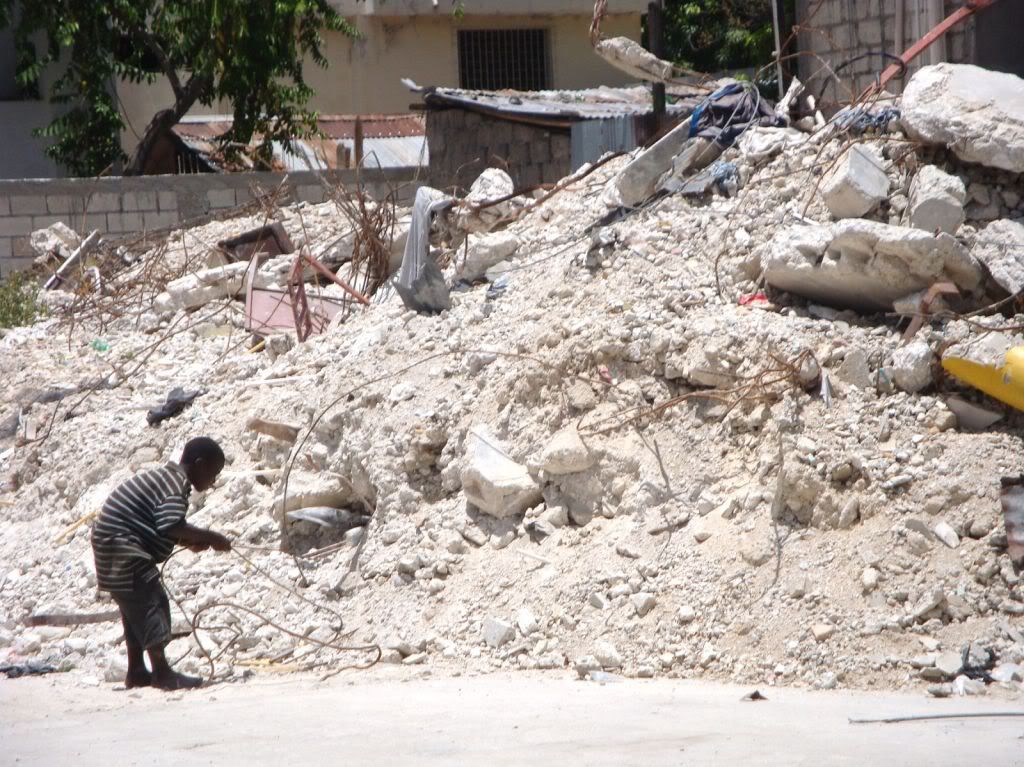
In an instant, so much was lost:
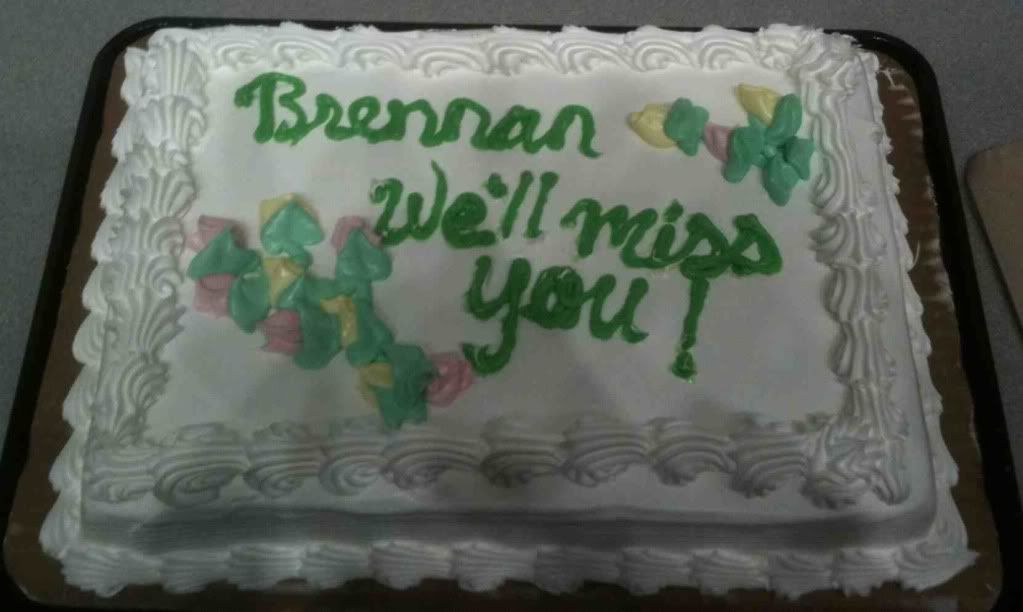
Wasn't in the mood for real goodbyes, but I received a sweet surprise send-off from the my classmates:
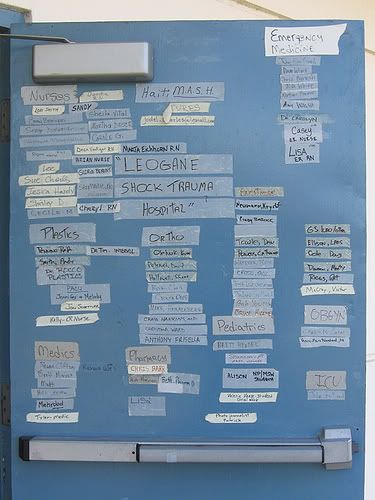
LSTH---the door to the nursing school where 3 dorm rooms were converted to ORs. In Cessna's landing on the highway outside Leogane, people showed up, taped on nametags, and worked as hard and long as humanly possible:
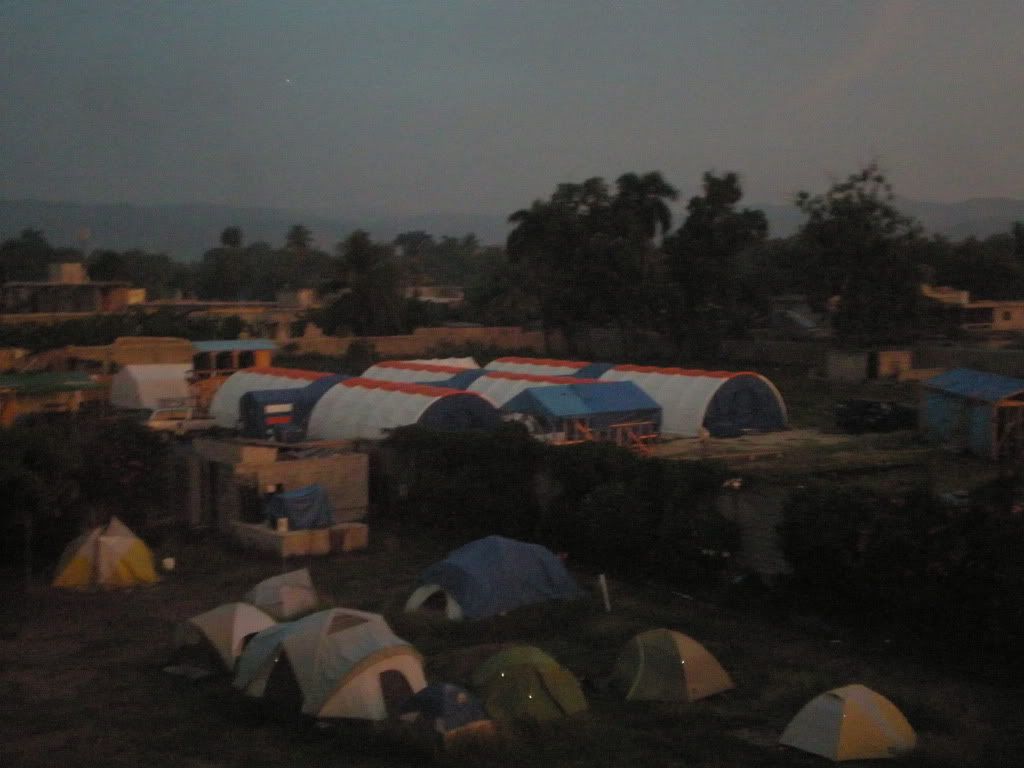
The same mishmash, heroic group--Jean Marc, Chris, Josh, Ralph...--got the tent pods set up a few weeks later:
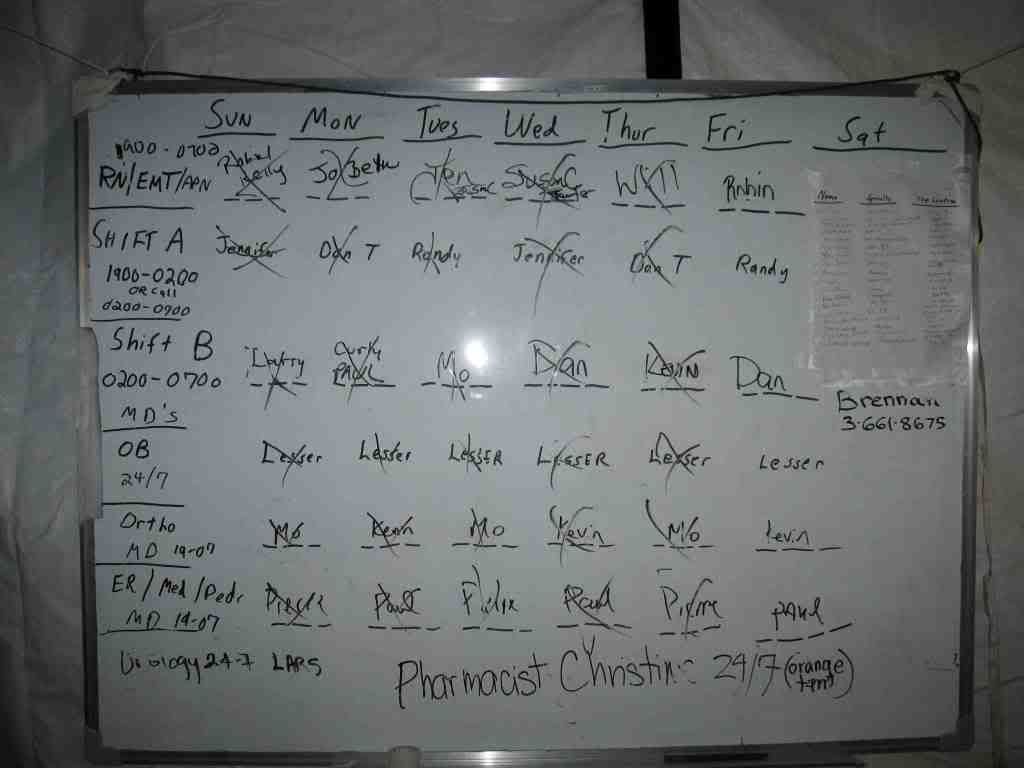
Becoming more than just a trauma center, we were now a 24/7 general hospital. Dan's first on-call board offered a template, and we kept going. Working as hard and long as humanly possible. Or more:
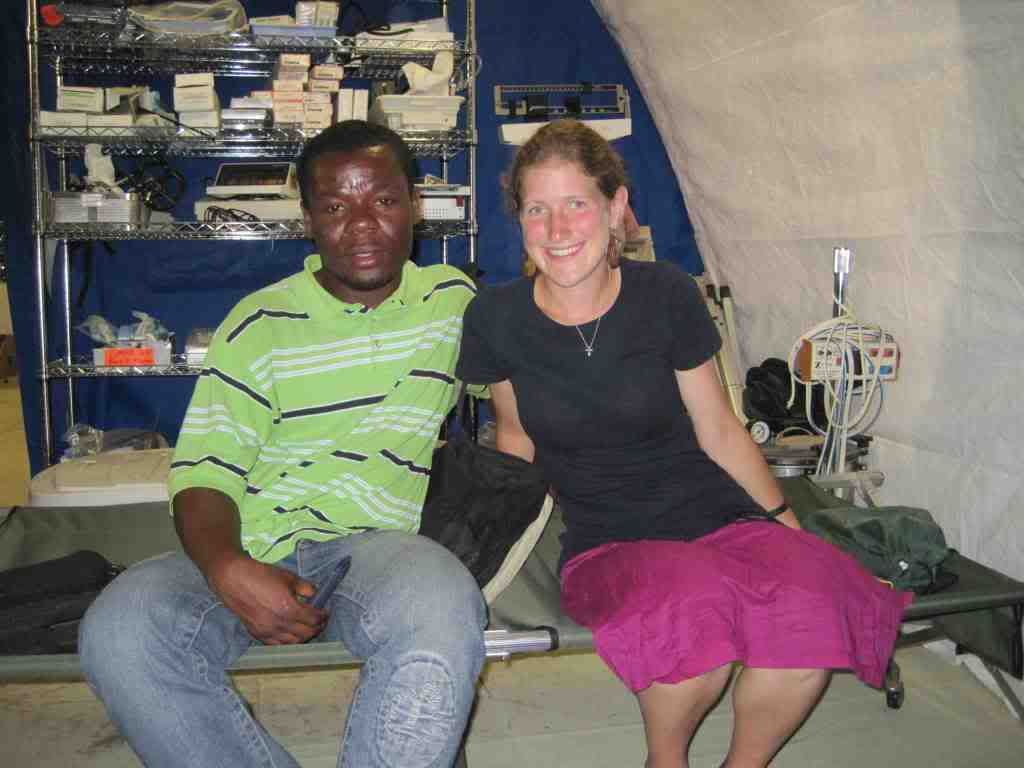
Peter, my colleague, rose to every challenge. What we did is best expressed by a single Kreyòl word degaje "to make it work, to find a way":
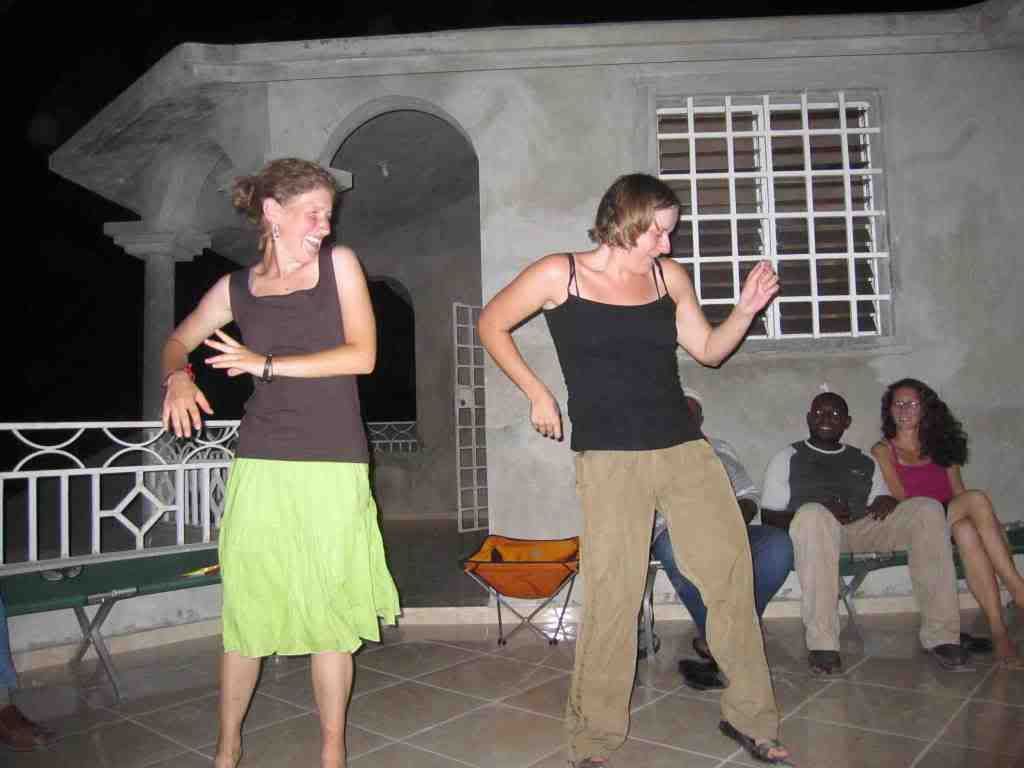
Kristina (pictured) and Abbey (not) were my other comrades. One attempt at dancing Michael Jackson was more than enough:
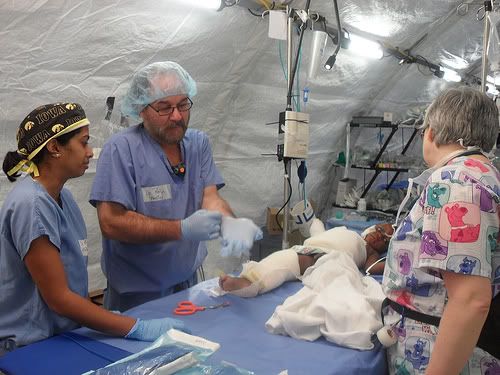
Ralph Plastics & Mo Ortho bandaging 2-year-old Garvensly, badly burned but to fully recover with diligent care from our nurses & docs, and his grandmother:
Dan, Lars, "T", and Sony acting as transport team. Doubt that wearing shorts in the OR will be acceptable in the Mass General:
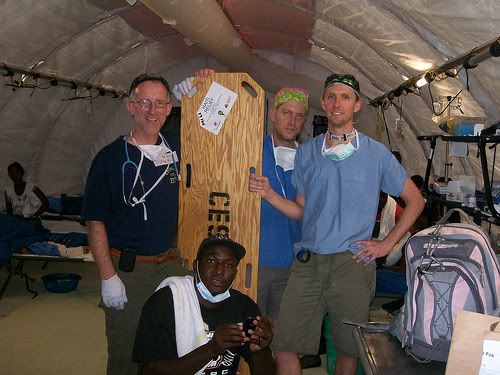
Robenson---translator, smooth operator, and my friend & protector:

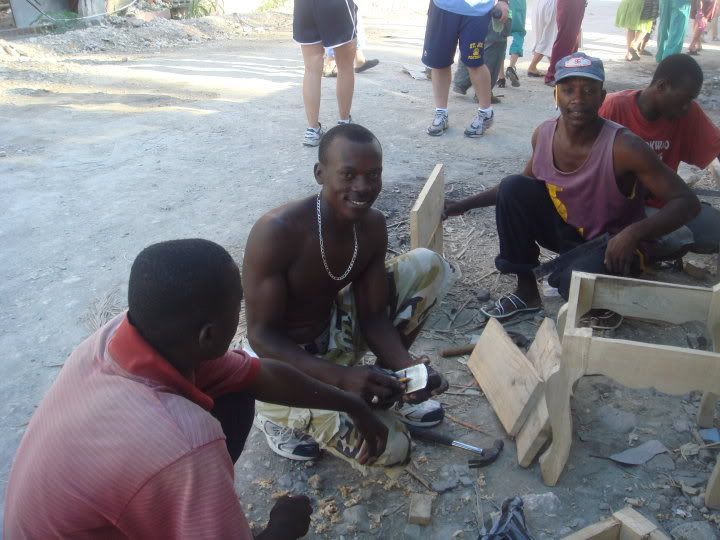
Roosevelt---carpenter, and my other friend & protector:
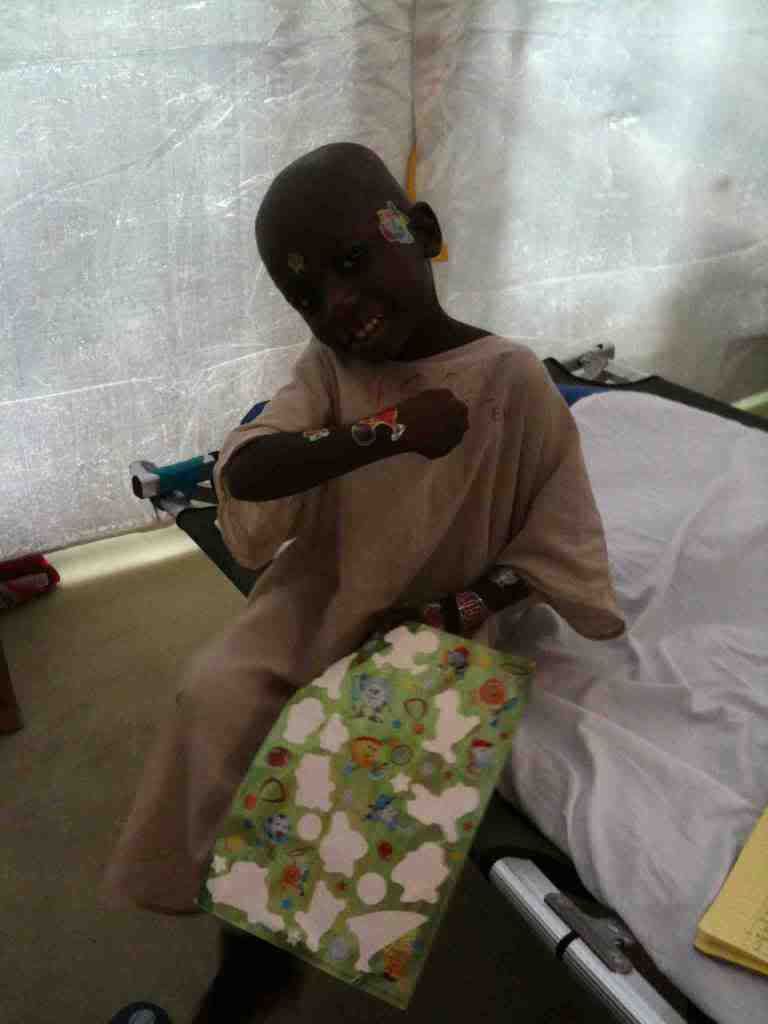
Williamson---one special orphan:
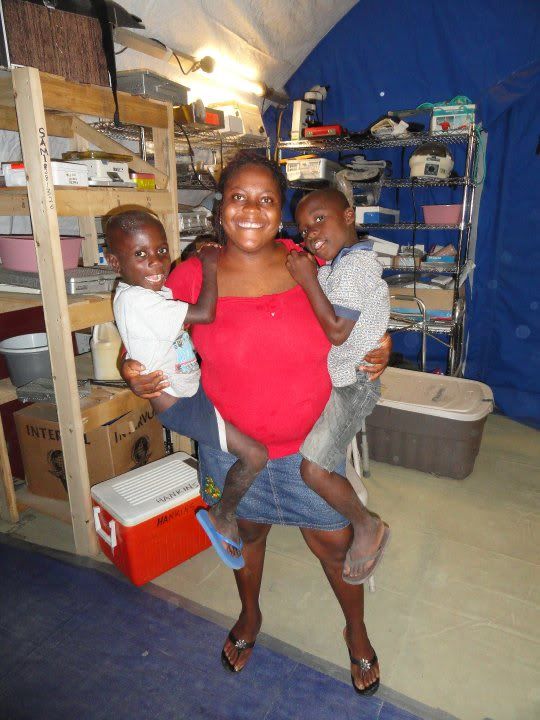
Williamson---taken in by Manoucheka to join her son, Jonas, in a loving family:
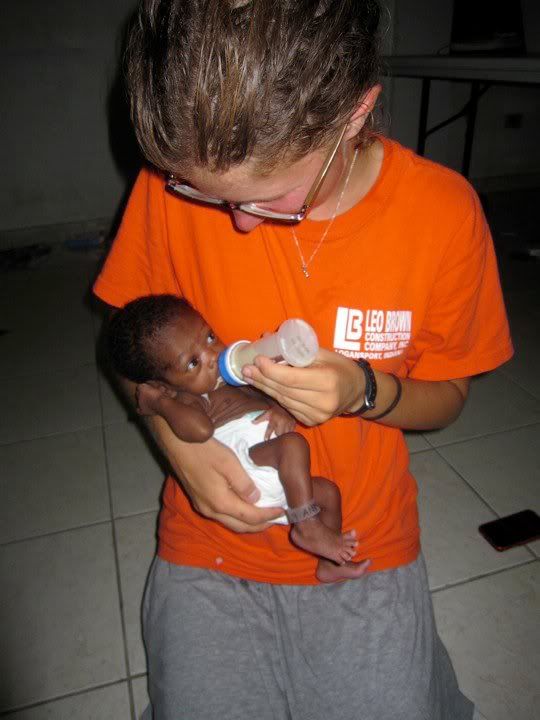
Emily Ann---March 12, moments after birth, two-months premature, in respiratory distress. Her young mother abandoned her the next day:

Emily Ann---April 29, after two months in the Medishare NICU. 8 weeks old, 6 pounds:
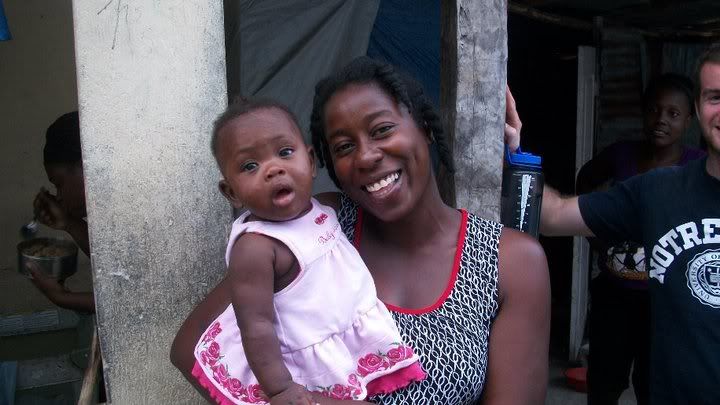
Emily Ann---December, with her adopted mother, Natacha. (photo courtesy Steve Seidel). She's grown a bit:
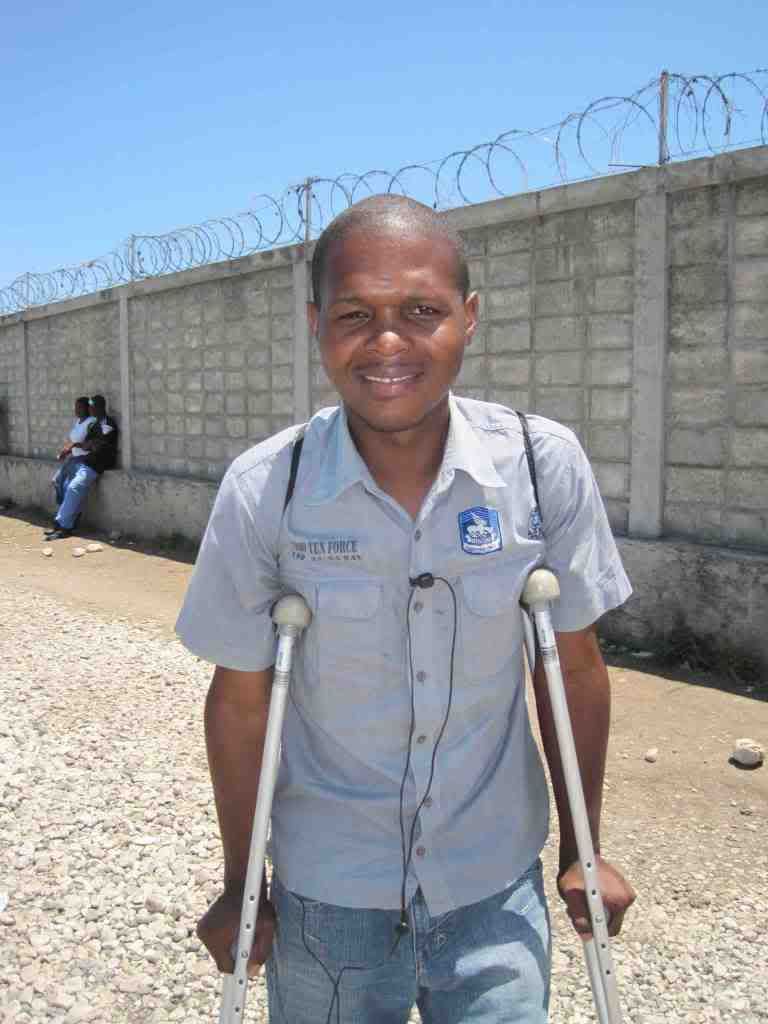
Junior---was in constant pain since March 2009 moto accident, now in Maine recovering from a recent hip transplant arranged by Dr. Kevin. Junior calls himself my "gran frè" and is continuing his work as an artist:
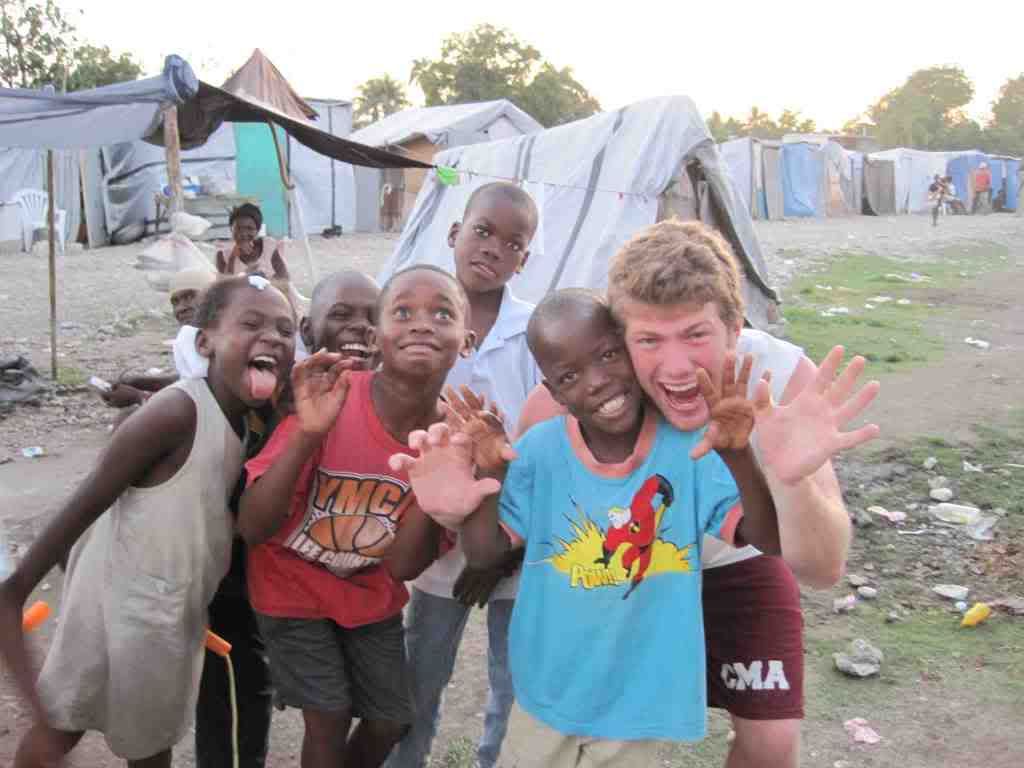
Playing a little before the pain of leaving work unfinished in a place I love:
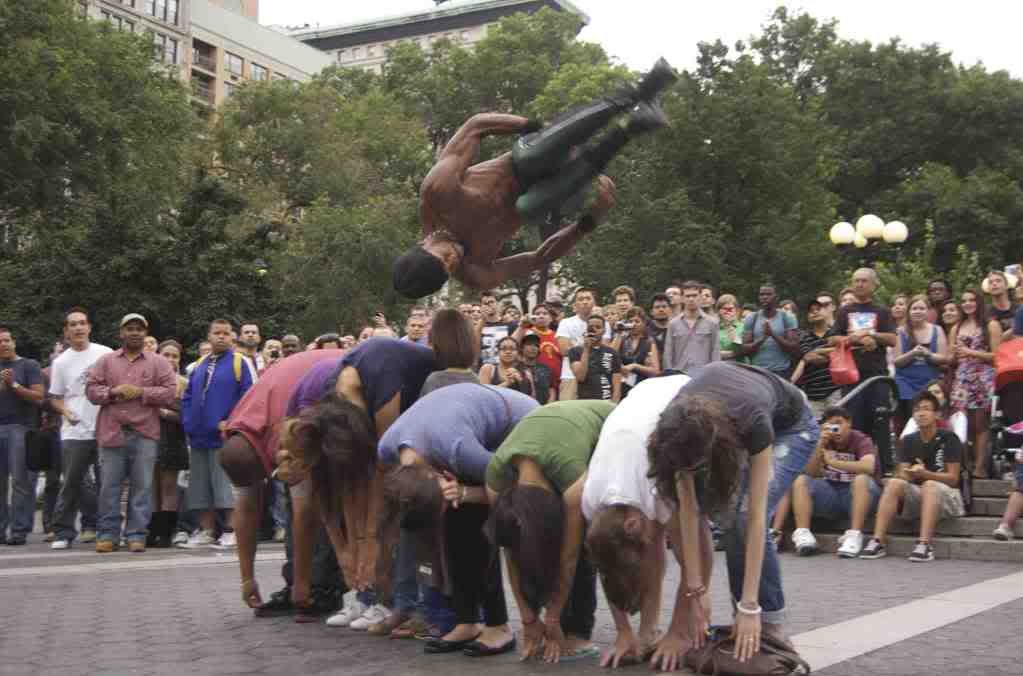
Yet, the Union Square Farmer's Market is another lovely place:

With impressive street performers:
Another life-enriching experience, the Coney Island Mermaid Parade:

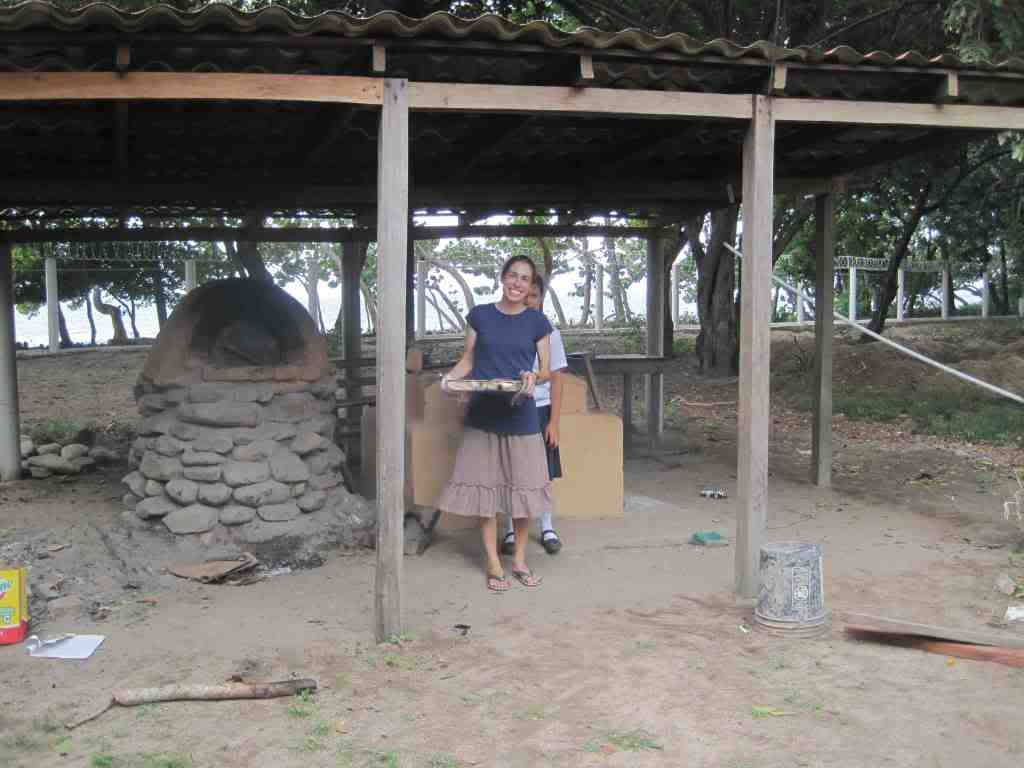
Visiting my friends at the Farm of the Child in Honduras, impressed by their skills of cooking for mass community over a wood-stove:
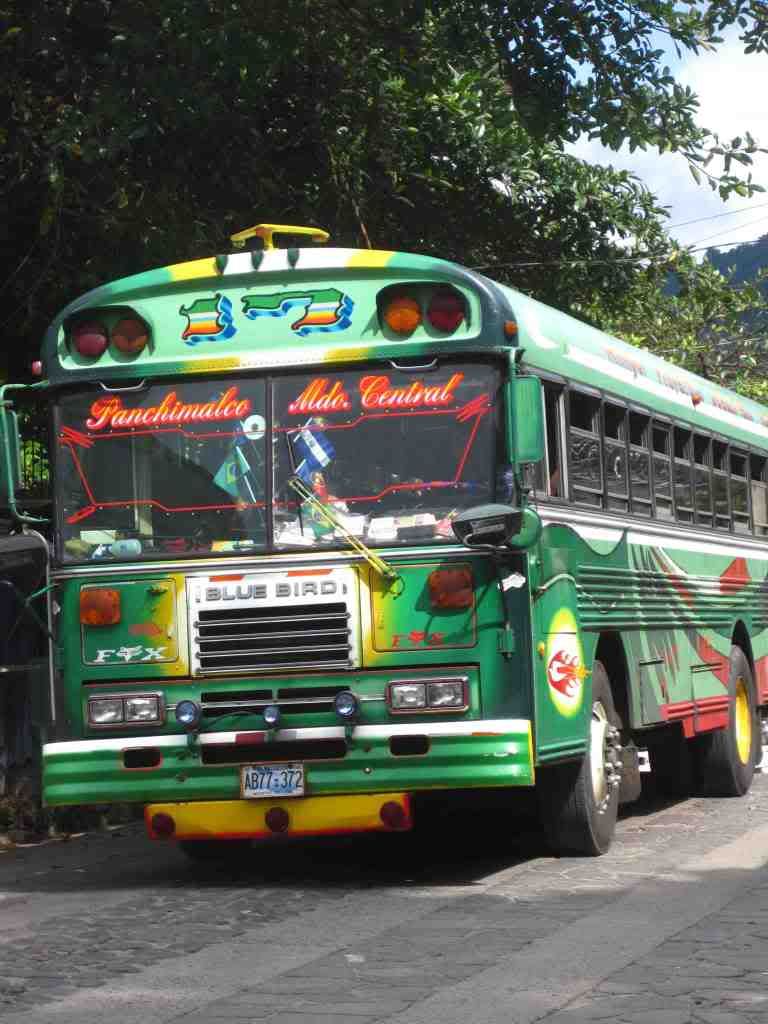
Within and among El Salvador, Honduras, Guatemala, Nicaragua...this is how I rolled. Hours and hours and hours of rolling:
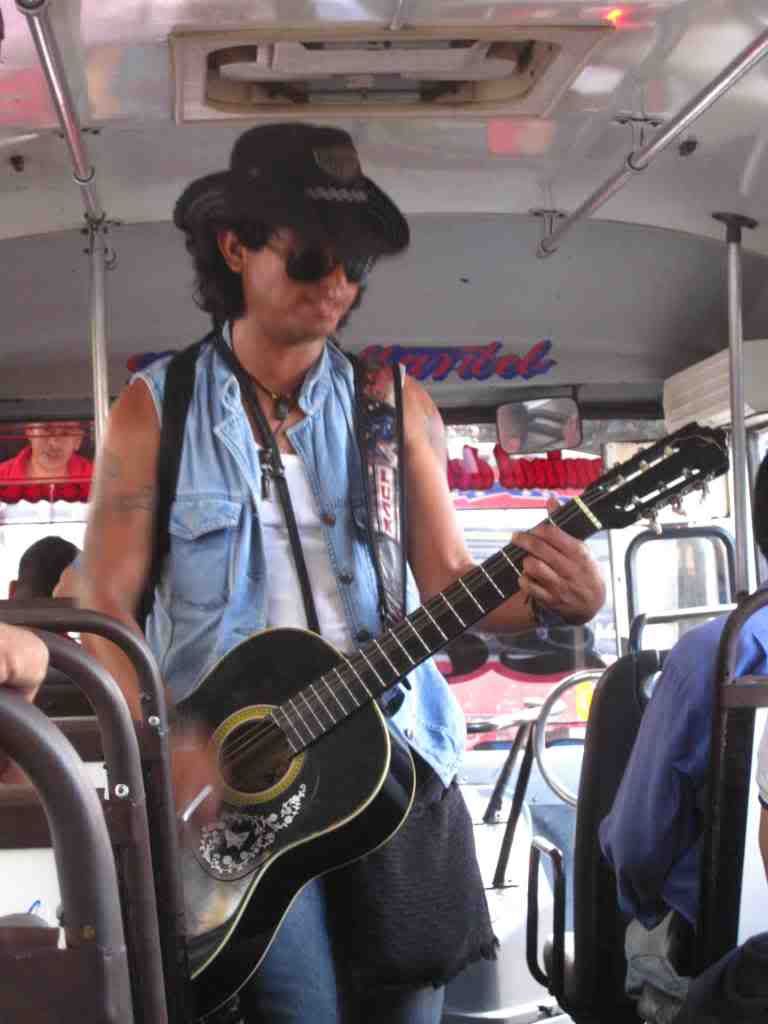
But sometimes there was entertainment:
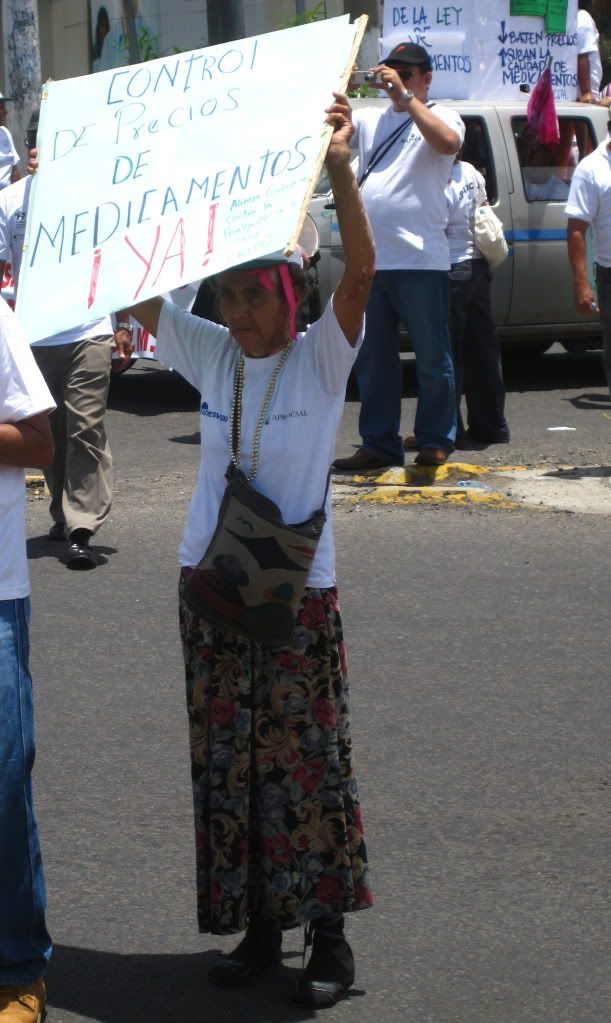
Thousands of Salvadoran women, children, and men demanding justice in healthcare, never giving up in the long struggle:
So, while I witnessed much natural beauty (here Volcan Concepción, the one I climbed/stumbled up):

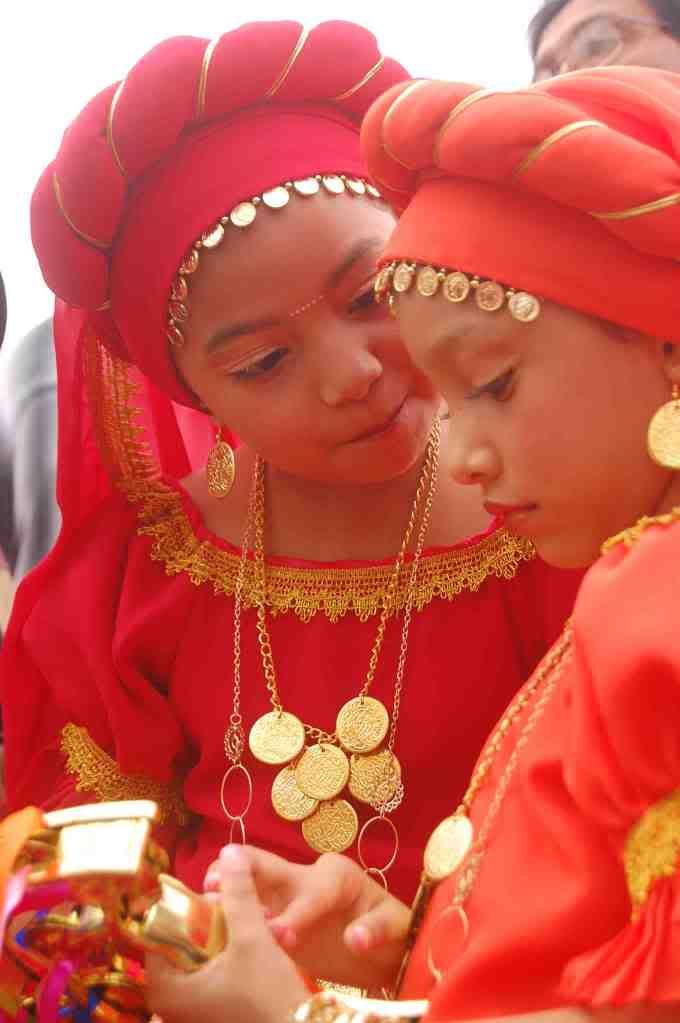
...The human beauty was far greater (girls dancing for the San Geronimo festival in Masaya, Nica):
Leaving mi familia:
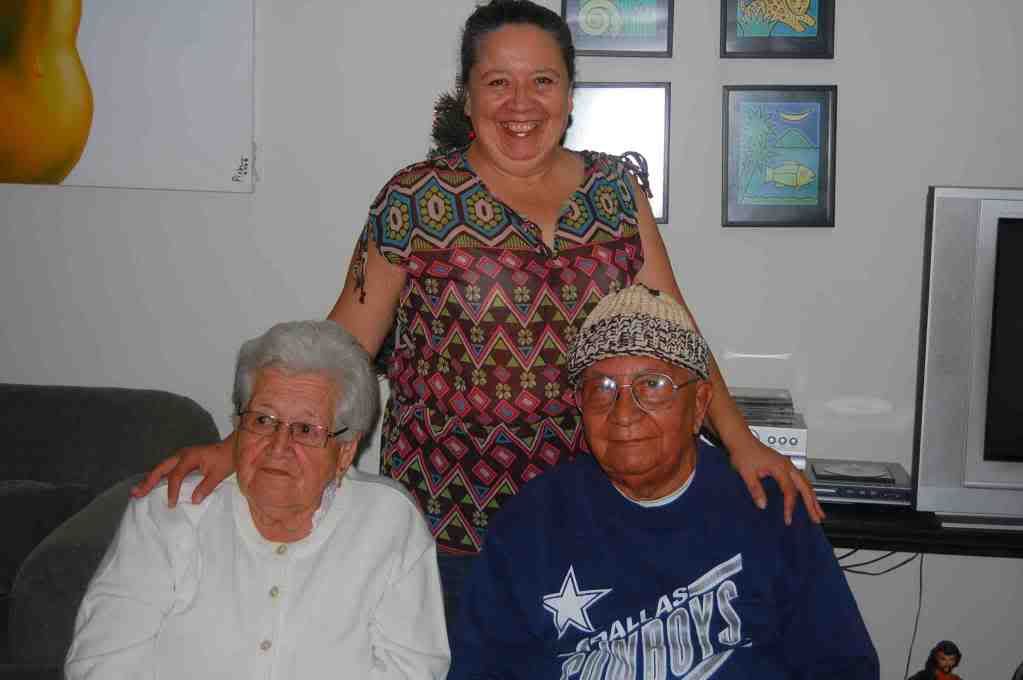
To return to my family:
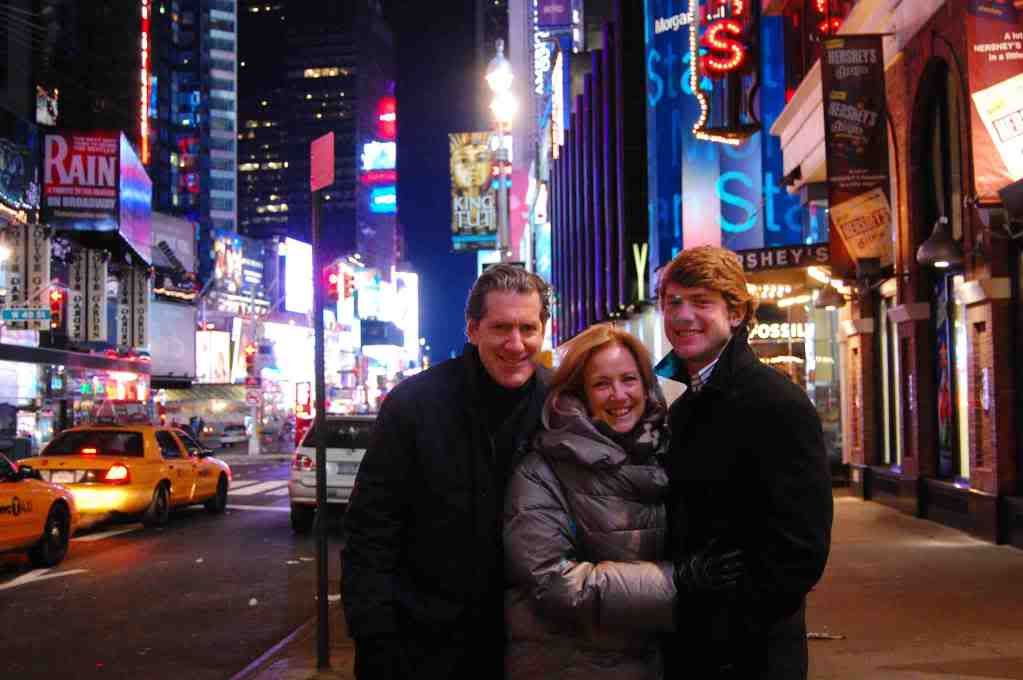
And to the Farmer's Market:

And our view:

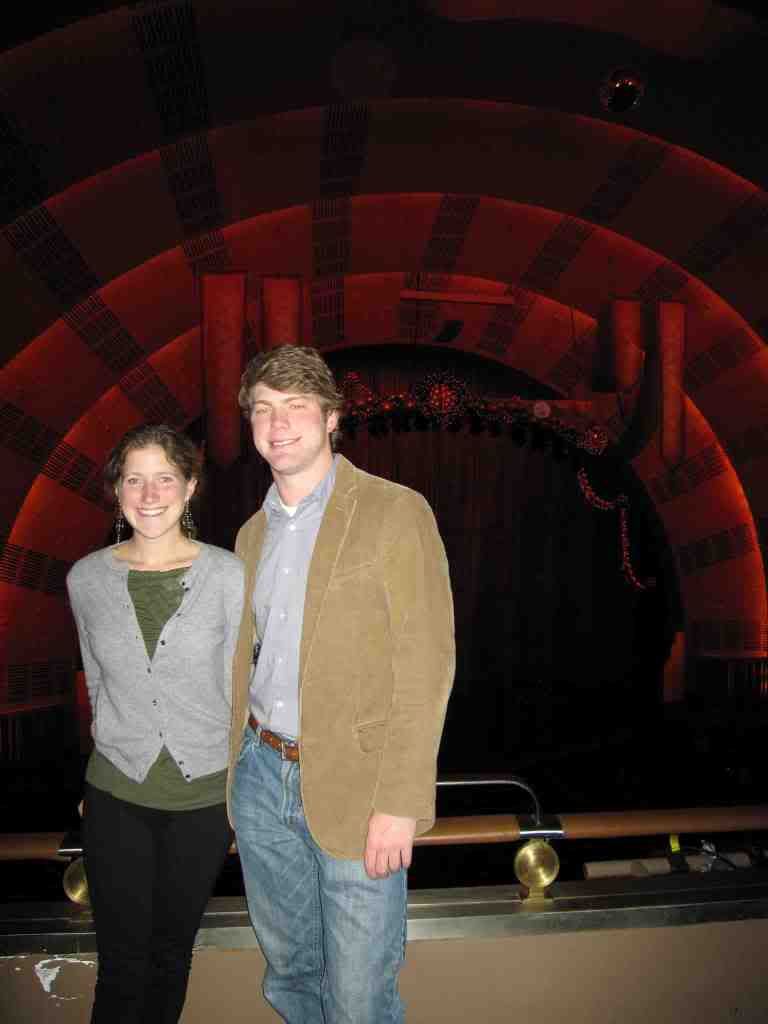
We had a happy Christmas---even saw the Radio City Rockettes!
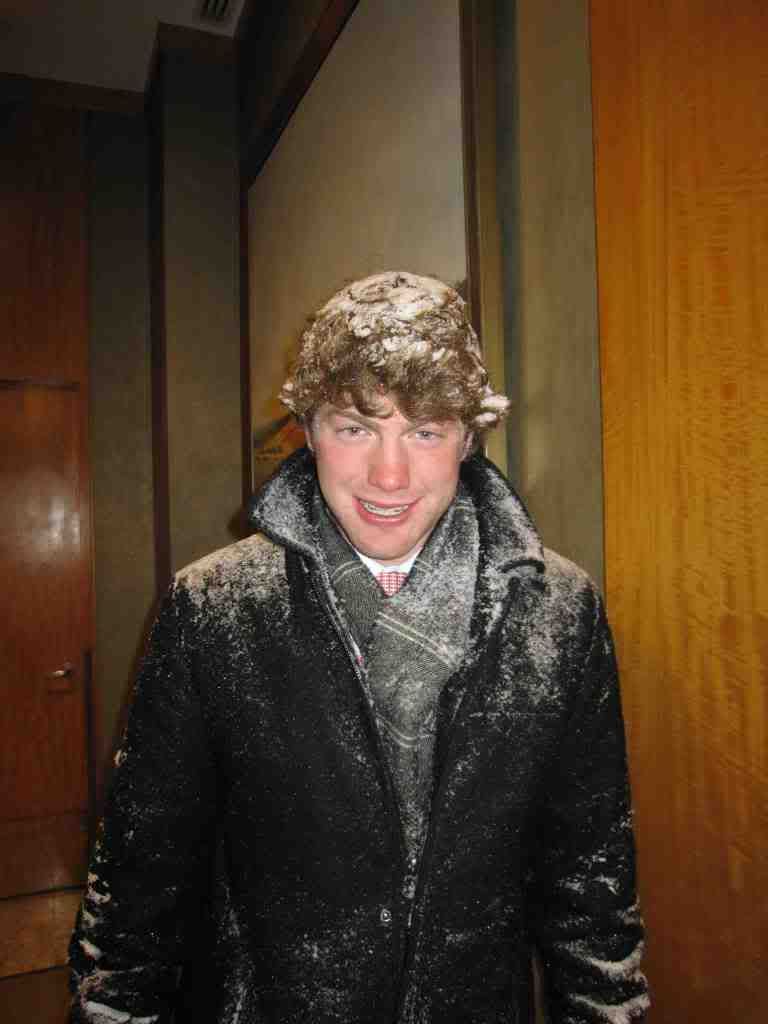
December 26, it started snowing. A lot. With thunder cracking and lightning flashing. Wikipedia "thundersnow":

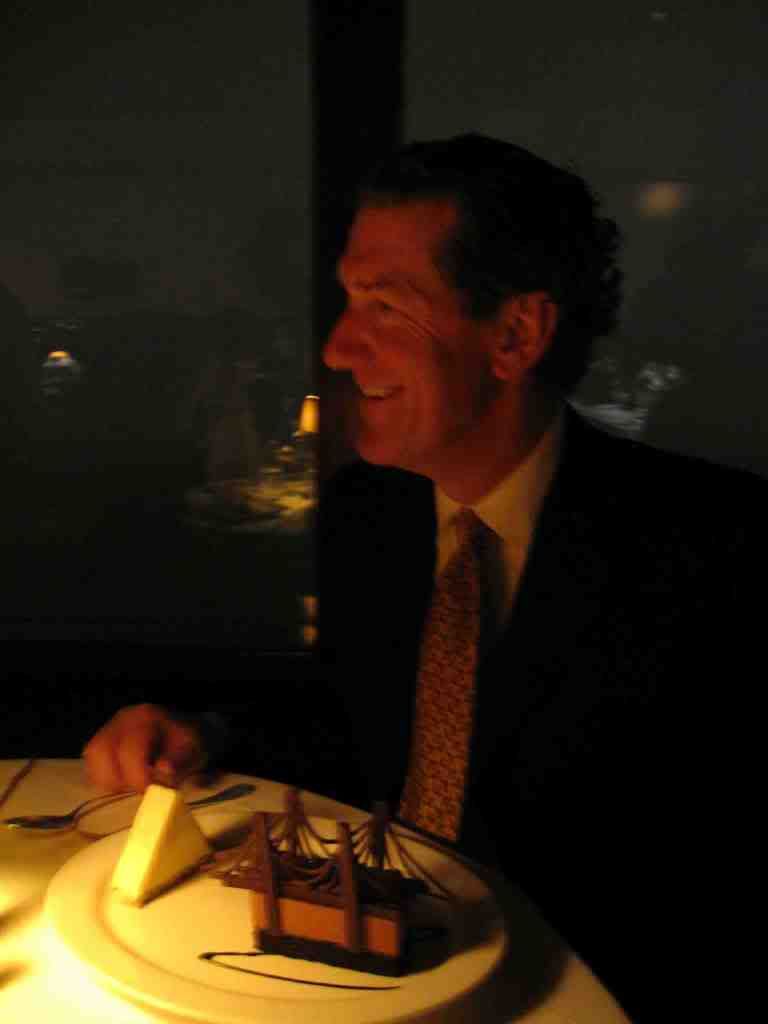
Being our last night after a two-year NY hurrah, however, we still dressed up and went to Brooklyn for dinner (check out the chocolate bridge dessert):
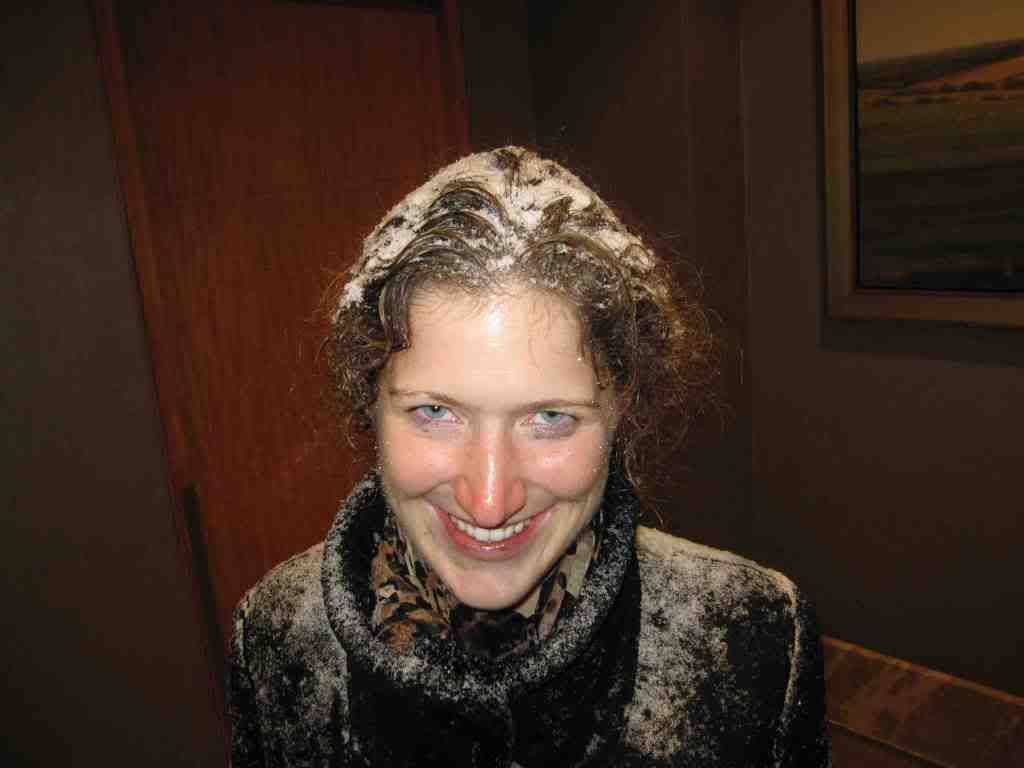
And so in order to find (thank goodness) a subway home, we tromped ten blocks through windy 15-inch drifts:
Tomorrow is not only a new year, but the 207th anniversary of a land of slaves winning freedom---a new beginning since marked by much abuse, yet still a story of pride, and courage:
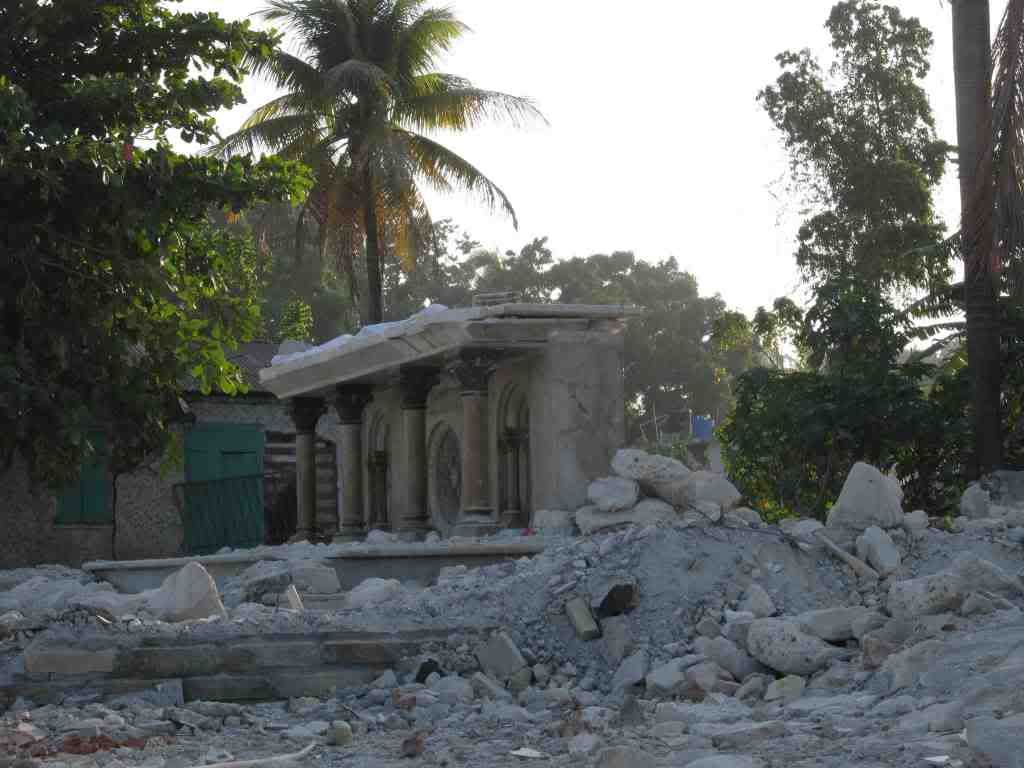
The St Rose de Lima church in Leogane collapsed completely, except the altar. People kept gathering around it, with hope and love. What was built, destroyed. Daily harm continues, ever stronger. But perhaps not everything lies in ruins:
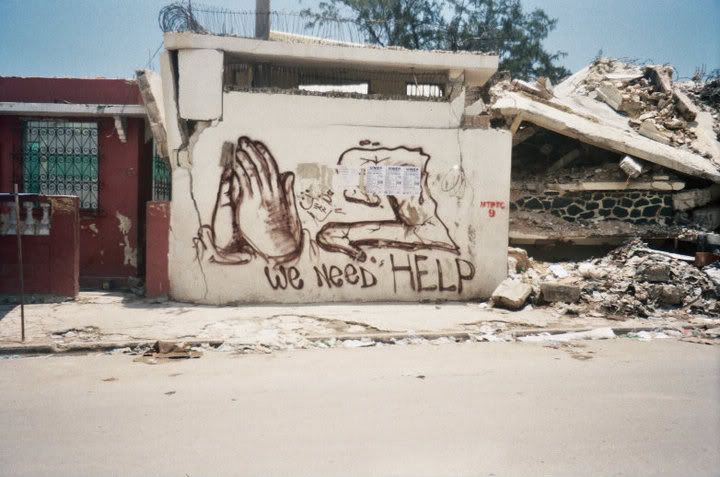
In an instant, so much was lost:
Wasn't in the mood for real goodbyes, but I received a sweet surprise send-off from the my classmates:
LSTH---the door to the nursing school where 3 dorm rooms were converted to ORs. In Cessna's landing on the highway outside Leogane, people showed up, taped on nametags, and worked as hard and long as humanly possible:
The same mishmash, heroic group--Jean Marc, Chris, Josh, Ralph...--got the tent pods set up a few weeks later:
Becoming more than just a trauma center, we were now a 24/7 general hospital. Dan's first on-call board offered a template, and we kept going. Working as hard and long as humanly possible. Or more:
Peter, my colleague, rose to every challenge. What we did is best expressed by a single Kreyòl word degaje "to make it work, to find a way":
Kristina (pictured) and Abbey (not) were my other comrades. One attempt at dancing Michael Jackson was more than enough:
Ralph Plastics & Mo Ortho bandaging 2-year-old Garvensly, badly burned but to fully recover with diligent care from our nurses & docs, and his grandmother:
Dan, Lars, "T", and Sony acting as transport team. Doubt that wearing shorts in the OR will be acceptable in the Mass General:
Robenson---translator, smooth operator, and my friend & protector:
Roosevelt---carpenter, and my other friend & protector:
Williamson---one special orphan:
Williamson---taken in by Manoucheka to join her son, Jonas, in a loving family:
Emily Ann---March 12, moments after birth, two-months premature, in respiratory distress. Her young mother abandoned her the next day:
Emily Ann---April 29, after two months in the Medishare NICU. 8 weeks old, 6 pounds:
Emily Ann---December, with her adopted mother, Natacha. (photo courtesy Steve Seidel). She's grown a bit:
Junior---was in constant pain since March 2009 moto accident, now in Maine recovering from a recent hip transplant arranged by Dr. Kevin. Junior calls himself my "gran frè" and is continuing his work as an artist:
Playing a little before the pain of leaving work unfinished in a place I love:
Yet, the Union Square Farmer's Market is another lovely place:
With impressive street performers:
Another life-enriching experience, the Coney Island Mermaid Parade:
Visiting my friends at the Farm of the Child in Honduras, impressed by their skills of cooking for mass community over a wood-stove:
Within and among El Salvador, Honduras, Guatemala, Nicaragua...this is how I rolled. Hours and hours and hours of rolling:
But sometimes there was entertainment:
Thousands of Salvadoran women, children, and men demanding justice in healthcare, never giving up in the long struggle:
So, while I witnessed much natural beauty (here Volcan Concepción, the one I climbed/stumbled up):
...The human beauty was far greater (girls dancing for the San Geronimo festival in Masaya, Nica):
Leaving mi familia:
To return to my family:
And to the Farmer's Market:
And our view:
We had a happy Christmas---even saw the Radio City Rockettes!
December 26, it started snowing. A lot. With thunder cracking and lightning flashing. Wikipedia "thundersnow":
Being our last night after a two-year NY hurrah, however, we still dressed up and went to Brooklyn for dinner (check out the chocolate bridge dessert):
And so in order to find (thank goodness) a subway home, we tromped ten blocks through windy 15-inch drifts:
Tomorrow is not only a new year, but the 207th anniversary of a land of slaves winning freedom---a new beginning since marked by much abuse, yet still a story of pride, and courage:
The St Rose de Lima church in Leogane collapsed completely, except the altar. People kept gathering around it, with hope and love. What was built, destroyed. Daily harm continues, ever stronger. But perhaps not everything lies in ruins:
Subscribe to:
Posts (Atom)